Life during the Australian Bushfires

I took a huge sigh of relief when the clean air blew in on Thursday afternoon, sweeping away the haze and leading me to open all the doors and windows of the house, grateful and promising to never take for granted clean air again.

We stayed indoors 3 days this week to escape the bushfire smog that was rated as hazardous to health due to the concentration of fine particulates in the air. The smoke had settled around Melbourne creating an eery haze that left me feeling uneasy and imagining a future where this kind of day would be a common reality.

On Tuesday when the smog was at it worst, I started a course to get certified to be an early childhood teacher here in Victoria, Australia. The course is lovely and weaves in Waldorf perspectives, movement and crafting.  At the course people were sharing their experiences of the Australian bushfires. Everyone knew people who had lost their homes and the descriptions of the fire tornados and mass destruction of forests and grasslands were chilling.  Climate change, funding cut to managed burnings, and colonization were all discussed as factors contributing to this massive problem. I felt heavy with the weight of all the animal lives lost and the destruction of habitats.

It seems crazy that even in the face of this disaster humans continue to live the same daily lives, we drive cars, throw away garbage and use up resources at an alarming rate. How can we get off the train of consumption and destruction and move to lives that work in harmony with the earth and help to regenerate the damage that we’ve done?
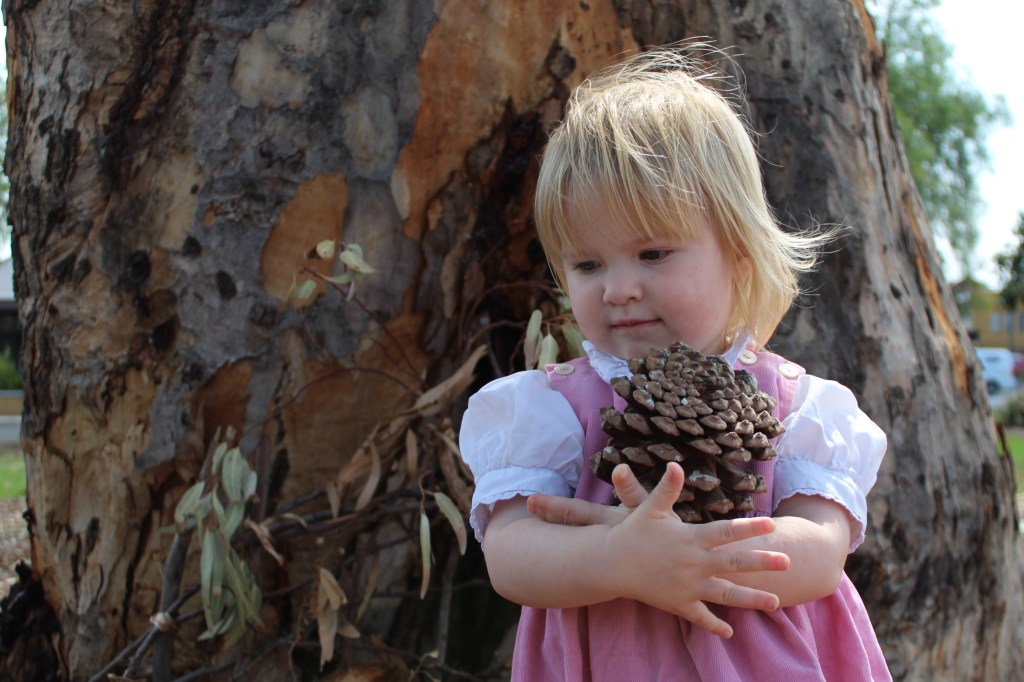
Looking at my children, I see hope. They don’t feel separate from nature or above it but look to every bug and flower as a friend, an inspiration and something to be protected. They aren’t embedded yet in the adult world that is contributing to environmental destruction and climate change. They don’t care about making money, producing goods, or economic growth.

 I keep seeing this quote recently “We don’t inherent the earth from our ancestors we borrow it from our children” and it hits home that the way we treat the earth needs to reflect our children’s values. What do they want? Let’s ask them.

 They want to play in a forest, to watch birds build nests, and harvest fruits from a garden. They want to breathe clean air, drink water from a river and roll down a grassy hillside. They want to build nature houses out of bark and collect beautiful shells at the sea shore. They see the magic in nature and feel the connection which the adult world has lost. So do we really need factories, shopping malls and commercial productivity? Or will a wild world do? Our children can teach us the way out of this mess if only we’ll listen.
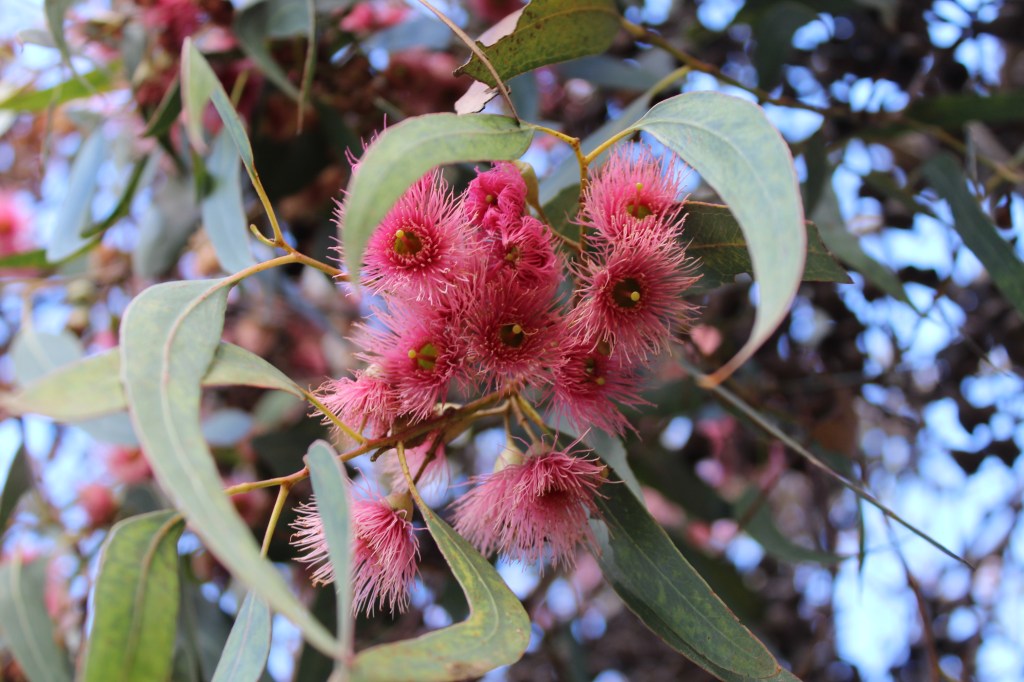
Wurundjeri Seasons of Melbourne

I have learned over the past year that the typical 4 seasons don’t apply in Melbourne (or really all of Australia) Here in Melbourne, folks joke that there are 4 seasons in 1 day, often sun, rain and wind make an appearance over the course of a few hours and temperatures drop and rise rapidly depending on the direction of the winds. Flowers bloom and veggies flourish in the cooler months, while during the hot, dry summer months the plants contract and wait for the rain to arrive. The seasons are not just opposite to the northern hemisphere they are unique and differ between each microclimate.

When I arrived, I tried to make sense of my surroundings with my northern hemisphere way of seeing and it left me feeling disconnected. There was a day in January when I walked outside and was hit with scorching sun and a hot wind of 40 degrees. I thought to soldier on to the park with the kids, when an elderly lady warned me to take the kids home and stay cool as the baby could easily overheat in the stroller with UV mesh surrounding it. I panicked and headed home unsure of what to do when it is so uncomfortable outdoors. I came to realize that summer here can mean finding indoor activities to hide from the heat, it can be a contracting time and not the soft warm expansion I was used to from Vancouver.

I wasn’t rooted in the seasonal rhythm and with the changeable and often extreme weather I didn’t know how to relate to this land. My weather app was a bit of a help, but I wanted to know how others lived and thrived here. So, I talked with folks about the weather and their expectations of the seasons, and I found I got very different answers depending on who I spoke with. I realized many people are not spending time outside living in the elements or do not crave emersion in the seasons. I needed to find the experts. Then I learnt of the Wurunjeri people who were some of the first people of this region, who instead of 4 seasons, they lived within 8 and everything fell into place. Their 8 seasons precisely describe the seasonal shifts here and they associated different important communal activities to each season. August isn’t the beginning of spring it is Tangbilk Ningak, Morning Frost and bark harvest time.

“This time of the year is marked by clear and sunny but cool days with moderate winds, which therefore result in more frequent morning frosts.
Wattles and orchids bloom throughout this morning frost period and Women are often nearing full term in their pregnancies. The end of this season is marked by the last morning frost as well as when butterflies appear, finches and parrots begin nesting and joeys begin emerging from their Mother’s pouches. (taken from “The eight Wurrundjeri Seasons in Melbourne” by Jim Poulter.

This way of seeing the seasons in retrospect seems so obvious, why was I trying to fit this land into my northern hemisphere expectations?  I wouldn’t be the first to do this and it highlights the importance of looking to indigenous knowledge (first people wisdom) to gain the full picture. Now that I have this piece of the puzzle, I have been able to connect on a personal level with this place and start to feel like I belong here. This feeling of belonging is what is essential and through that I have been able to confidently lead my children through seasonal celebrations and continued deepening of our connection to nature.