I took a huge sigh of relief when the clean air blew in on Thursday afternoon, sweeping away the haze and leading me to open all the doors and windows of the house, grateful and promising to never take for granted clean air again.

We stayed indoors 3 days this week to escape the bushfire smog that was rated as hazardous to health due to the concentration of fine particulates in the air. The smoke had settled around Melbourne creating an eery haze that left me feeling uneasy and imagining a future where this kind of day would be a common reality.
On Tuesday when the smog was at it worst, I started a course to get certified to be an early childhood teacher here in Victoria, Australia. The course is lovely and weaves in Waldorf perspectives, movement and crafting. At the course people were sharing their experiences of the Australian bushfires. Everyone knew people who had lost their homes and the descriptions of the fire tornados and mass destruction of forests and grasslands were chilling. Climate change, funding cut to managed burnings, and colonization were all discussed as factors contributing to this massive problem. I felt heavy with the weight of all the animal lives lost and the destruction of habitats.
It seems crazy that even in the face of this disaster humans continue to live the same daily lives, we drive cars, throw away garbage and use up resources at an alarming rate. How can we get off the train of consumption and destruction and move to lives that work in harmony with the earth and help to regenerate the damage that we’ve done?
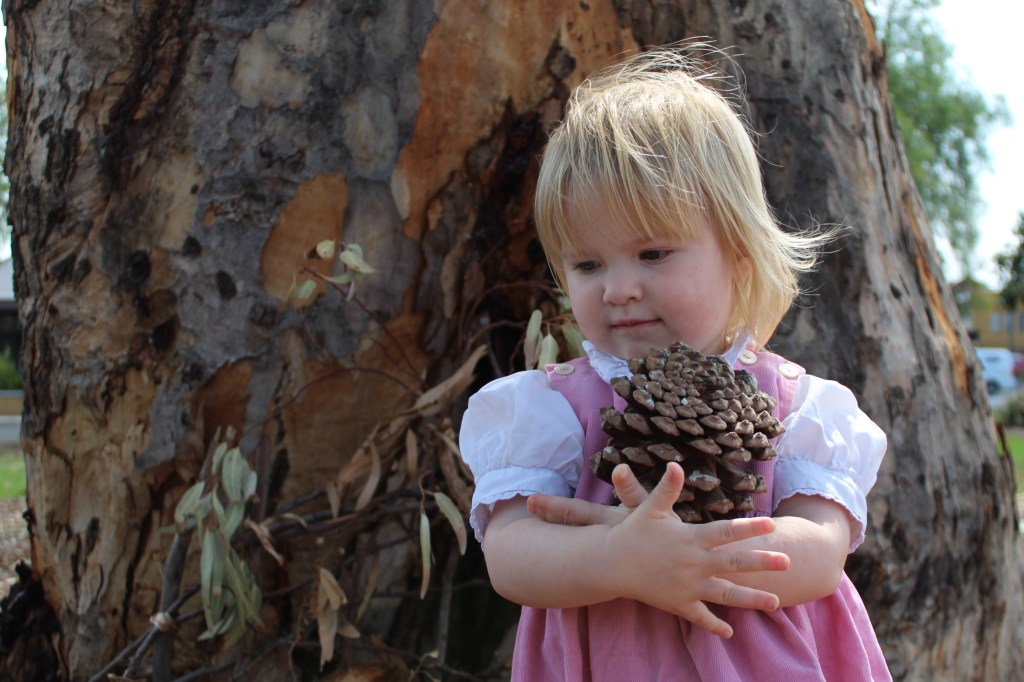
Looking at my children, I see hope. They don’t feel separate from nature or above it but look to every bug and flower as a friend, an inspiration and something to be protected. They aren’t embedded yet in the adult world that is contributing to environmental destruction and climate change. They don’t care about making money, producing goods, or economic growth.
I keep seeing this quote recently “We don’t inherent the earth from our ancestors we borrow it from our children” and it hits home that the way we treat the earth needs to reflect our children’s values. What do they want? Let’s ask them.
They want to play in a forest, to watch birds build nests, and harvest fruits from a garden. They want to breathe clean air, drink water from a river and roll down a grassy hillside. They want to build nature houses out of bark and collect beautiful shells at the sea shore. They see the magic in nature and feel the connection which the adult world has lost. So do we really need factories, shopping malls and commercial productivity? Or will a wild world do? Our children can teach us the way out of this mess if only we’ll listen.

 HeartSong